Bernd Becker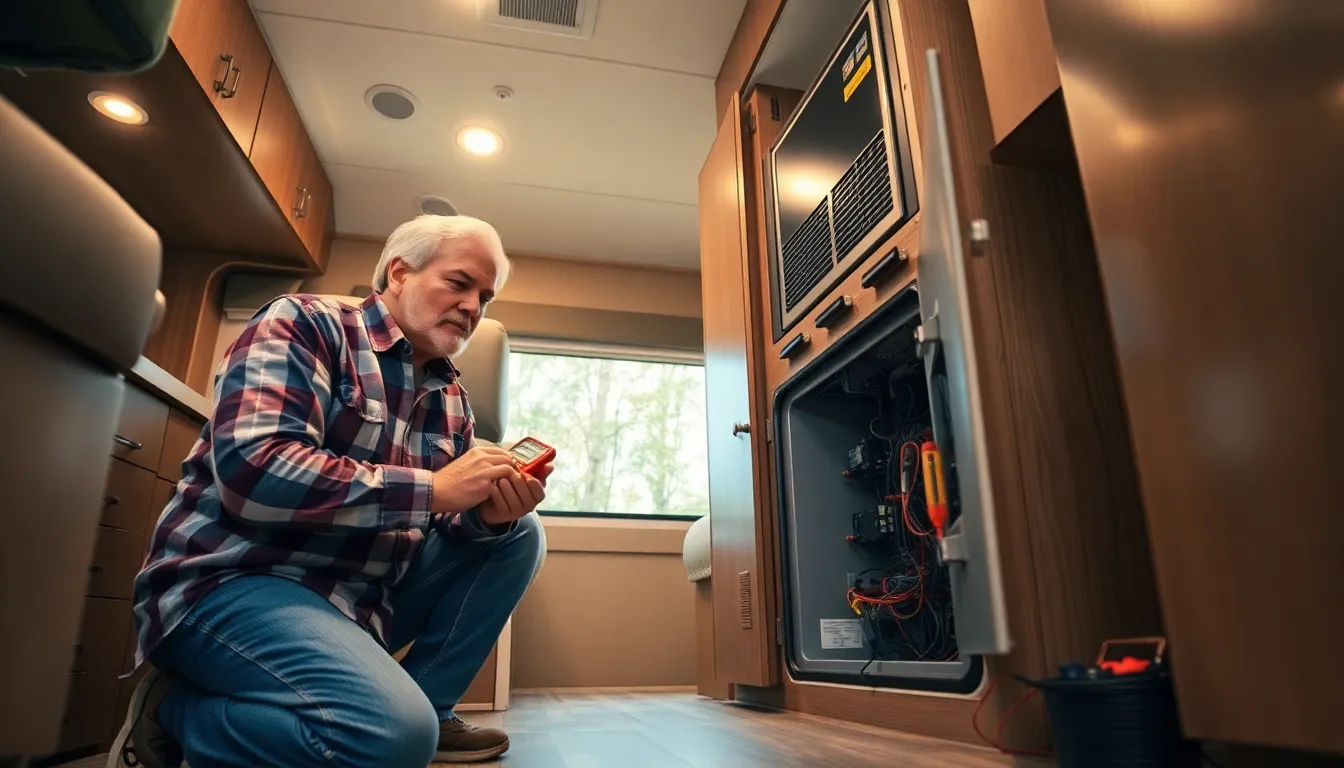
rv furnace troubleshooting
Is your RV furnace giving you the cold shoulder just when you need it most? Don’t let a faulty furnace freeze your adventures. Whether it’s refusing to ignite or producing only a faint whimper of warmth, this guide is here to warm things up. With a blend of humor and expertise, we’ll navigate the common issues, troubleshoot like pros, and even talk about how to maintain that heating beast. So grab your toolbox and let’s jump into the world of RV furnace troubleshooting.
rv furnace troubleshooting
When it comes to RV furnaces, problems can vary from frustrating to downright freezing. Understanding the common issues can make all the difference when the temperature drops.
Identifying Symptoms of a Faulty Furnace
If your furnace sounds like a cat with a sore throat, chances are something’s not right. Look for signs such as strange noises, erratic heating, or a complete lack of warmth. Other symptoms might include a strong smell of gas, visible soot, or an error code that leaves you scratching your head. Pay close attention: these symptoms are often the key to understanding what’s wrong.
Common Error Codes and What They Mean
Many modern RV furnaces come equipped with error codes to help diagnose issues. For instance, a flashing light pattern can indicate a problem with the ignition or gas supply. Familiarize yourself with your model’s error codes by checking the manual, it’s like having a secret decoder ring, but for your furnace. Common codes, like ‘1-3’, might mean the thermostat is playing games, and ‘4-2’ often points to an ignition failure. Knowing what these codes mean could save you from a chilly night or a costly camping trip.
Basic Troubleshooting Steps
Once the symptoms are in check, it’s time to roll up those sleeves and dig in. Basic troubleshooting steps can often resolve minor issues without needing a technician.
Checking Power Supply and Connections
Start by ensuring that your furnace is actually receiving power. It sounds simple, but you’d be surprised how many people overlook this. Check the circuit breaker and the power supply, you really don’t want to blame your furnace when it was just a power outage running the show. Inspecting all connections should be your next move: loose wires can cause all sorts of heating havoc.
Inspecting Thermostat Settings and Functionality
Is the thermostat set to heat, or has it decided to take a vacation on “cool”? This common oversight is easy to miss. Ensure the thermostat is functional and properly calibrated. If the display looks wonky or unresponsive, it’s probably time to replace it. An accurate thermostat is crucial for your furnace to operate at peak performance.
Examining the Furnace Unit and Components
With the power confirmed and the thermostat dialed in, take a close look at the furnace unit itself. Check for dust, dirt, or debris that could be blocking air filters. Clearing out these culprits can improve airflow and, eventually, heat output.
Advanced Troubleshooting Techniques
If basic steps don’t bring warmth back to your RV, advanced troubleshooting techniques might be necessary. This is where you can flex your technical skills.
Testing the Blower Motor and Circuitry
The blower motor is like the heart of your furnace. If it’s not blowing, there’s no heat. Use a multimeter to test if the motor is receiving power. If it’s not, check the wiring and connections for faults, especially if you hear a humming sound, which usually indicates a jammed motor or bad bearings.
Assessing the Ignition System
Next up is the ignition system. It’s what lights the flame and keeps things toasty. Inspect the spark electrode and ensure it’s clean and free of corrosion. If the ignition system isn’t functioning properly, it might be time to replace the igniter. Familiarize yourself with the unit’s documentation for specifics.
Cleaning and Maintaining Your RV Furnace
Once your furnace is back in business, don’t forget the importance of regular maintenance. Keeping it clean can prevent future headaches and provide reliable warmth for years.
Importance of Regular Maintenance
Routine checks can save you from a chilly crisis on the road. Regular maintenance, like cleaning air filters and checking components for wear and tear, pays off handsomely. Think of it as preventive healthcare for your furnace. This proactive step ensures efficiency and reliability when you need heat the most.
DIY vs. Professional Help
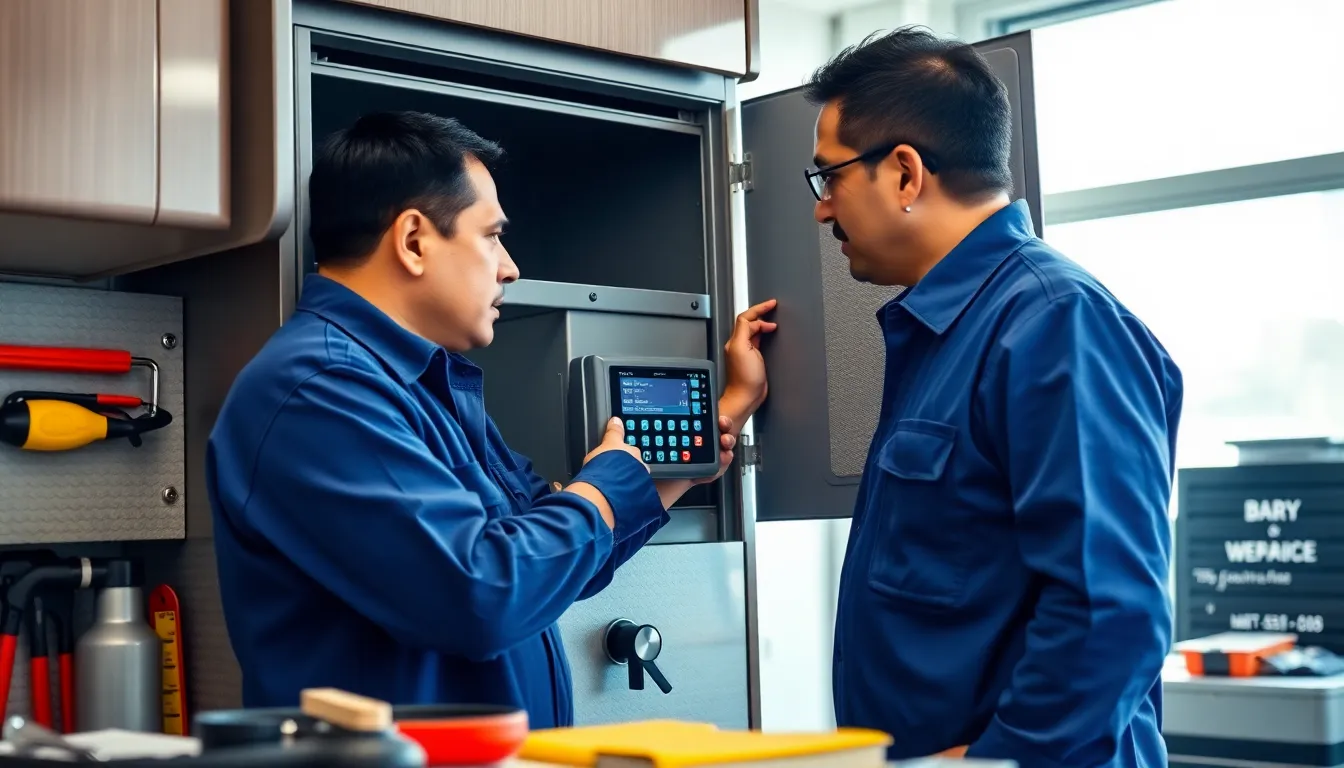
Many RV owners can perform basic maintenance, but some issues might be beyond the average DIYer. If you’re uncomfortable with more complex troubleshooting, seeking professional help is wise. Eventually, it’s about balance, know when to tackle a job yourself and when to call in the experts.