Bernd Becker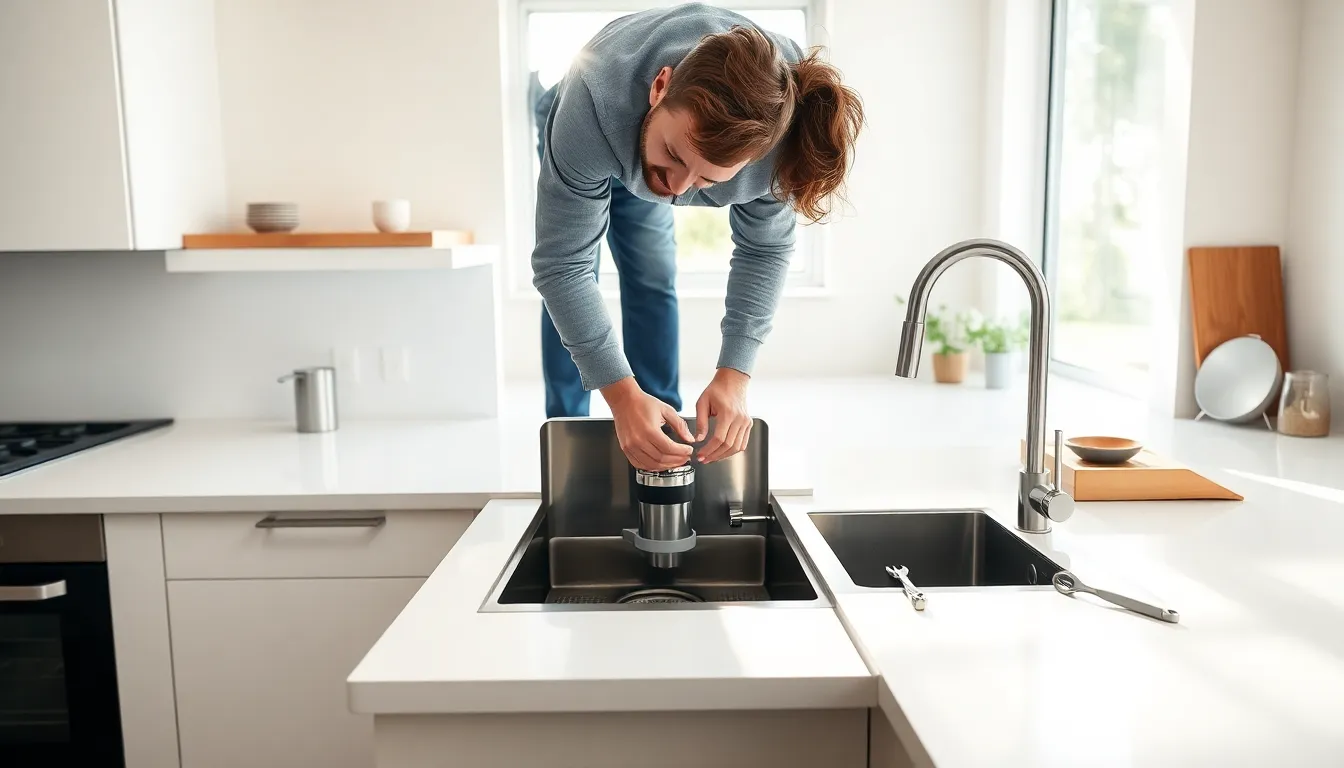
troubleshooting garbage disposal
Garbage disposals, they’re like the unsung heroes of your kitchen, valiantly whirling away food scraps while you tackle that mountain of dishes. But what happens when these reliable warriors suddenly fall silent? Or worse, start humming ominously like they’re plotting a rebellion? If your disposal is in distress, fear not. In this guide, we’ll jump into common garbage disposal issues, provide troubleshooting tips, and sprinkle in a dash of humor because, let’s face it, fixing things doesn’t have to be all doom and gloom. Grab your toolbox and let’s get started.
troubleshooting garbage disposal

No Power to the Disposal
Imagine this: you flip the switch, and nothing happens. Total silence. No whirring, no grinding, just the echoes of disappointment. First, check if the disposal is plugged into the outlet. If it is, move on to the circuit breaker. A tripped breaker could be the culprit. Reset the breaker and try again. If that doesn’t work, the power supply might be faulty.
Disposal Hums but Doesn’t Grind
Ever heard that annoying hum but nothing else? It’s like your disposal is stuck in a daydream. This usually signals a jam in the grinding chamber. Turn off the power, safety first. Look for any foreign objects, such as utensils or bones, that may be causing the jam. You can use a special hex key (usually included with your disposal) to manually turn the grinding plate. Give it a good spin and see if your disposal can shake off its stupor.
Disposal is Clogged
Ah, the dreaded clog. It’s not just a nuisance: it can lead to some serious backups. When the grind chamber can’t process waste, it often means food remains are caught up in the system. Start by trying to run water while turning on the disposal. If that fails, you may need to reach in with tongs (never use your hands) to dislodge the obstruction. Alternatively, a plunger can also work wonders for clearing stubborn clogs.
Unpleasant Odors from Disposal
If your garbage disposal could talk, it might complain about those lingering smells. Food remnants can rot, creating unpleasant odors. To combat this, try running cold water through the disposal while adding ice cubes and a few slices of lemon or lime. The ice will help clean the blades, while the citrus will freshen things up in no time.
Garbage Disposal Leaking
Leaking disposals can cause water damage and lead to a host of problems. A leak usually points to loose connections or a worn out seal. Start by checking the connections where the disposal meets the sink. Tightening the mounting screws might resolve the issue. If the leak continues, inspect the rubber seals. Those can wear out over time and may need replacing to keep things sealed tight.
Steps to Diagnose the Problem
Checking the Power Supply
Ensuring that your disposal is receiving power is critical. Start with confirming that the outlet is functional by plugging in another appliance. If it works, check the internal wiring of the disposal, any exposed wires can lead to malfunction. If you find that everything looks good but it still won’t power up, it might be time for a professional repair.
Resetting the Garbage Disposal
Most disposals come with a reset button located on the bottom. Pushing this button often resolves minor electrical issues. After resetting, confirm that the unit has power to see if it roars back to life. If it hums again without grinding, it’s time to shift your focus to possible jams.
Inspecting the Grind Chamber
If the disposal won’t grind nor is jammed, it’s possible that the internal components are damaged. Removing the disposal from under the sink might sound daunting, but with a few tools, you can inspect the grind chamber for any broken parts. Any cracks or missing blades can necessitate a replacement unit.
Cleaning and Maintenance Tips
Routine Maintenance Practices
Keeping your garbage disposal in tip-top shape requires regular maintenance. Running cold water during each use helps prevent clogs. Also, once a week, grind up some ice cubes to help keep the blades sharp. And don’t underestimate the power of a baking soda and vinegar treatment once in a while, this duo can tackle smells and buildup while being entirely safe for your plumbing.
What Not to Put in a Garbage Disposal
Awareness is key. Avoid putting fibrous foods (like celery and corn husks), starchy items (such as pasta and rice), or hard substances (think bones or seeds) down the disposal. These can lead to jams or clogs that no one wants to deal with. When in doubt, toss it in the trash.