Bernd Becker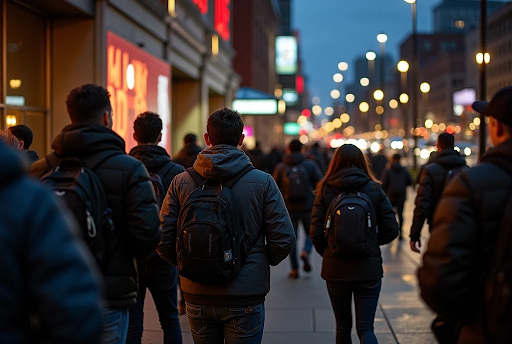
Large cities rely heavily on digital platforms for social coordination. People use online services to arrange meetings, explore nightlife options, and connect with others who share similar interests. In many cases, these platforms become part of everyday urban routines. Before going out in the evening, someone might check several social platforms to see where friends are meeting, browse local event listings, or explore services available in the area. During this process users sometimes encounter a wide range of platforms offering different types of social experiences. For example, while organizing plans for a night out in Tennessee, a user may navigate multiple listings and come across services connected to nashville escorts while comparing different options available through urban social platforms.
Common Risks Users Face on Urban Social Platforms
Although online platforms make social interaction easier, they also introduce certain risks. Urban platforms often connect large numbers of people who may not know each other personally. This environment can create opportunities for misleading information or unsafe interactions.
One of the most common concerns involves fake profiles. Some accounts may present inaccurate information or use edited photos that do not reflect reality. These profiles may appear convincing at first glance, which is why users should pay attention to small details when evaluating online contacts.
Typical warning signs that a profile may not be reliable include:
- Very limited profile information or incomplete descriptions
- Photos that appear overly edited or inconsistent
- Accounts that were created very recently
- Messages that push for quick communication outside the platform
- Profiles that avoid answering basic questions
Privacy is another important issue. Many users share personal information too quickly without considering how it may be used later. Details such as home addresses, daily routines, or financial information should always remain private when communicating online.
Urban social platforms often encourage interaction, but responsible users understand that maintaining personal boundaries is essential for staying safe.
Practical Steps to Protect Personal Information Online
Maintaining safety online usually depends on a combination of technical precautions and responsible communication habits. Many platforms provide tools that help users protect their accounts, but those tools are only effective when used properly.
One of the most important steps is strengthening account security. Strong passwords reduce the risk of unauthorized access, while two factor authentication adds an additional layer of protection. Privacy settings also allow users to control who can see their profile details and messages.
Communication habits also influence online safety. When interacting with new contacts, it is better to take time before sharing sensitive information or agreeing to move conversations to external messaging apps.
Practical guidelines for safer online communication include:
- Keep conversations within the platform until trust is established
- Avoid sharing personal contact details too early
- Verify profile information when possible
- Be cautious if someone pressures you to respond quickly
- Report suspicious behavior to the platform moderators
These habits help users maintain control over their interactions and reduce the risk of encountering unsafe situations.
Recognizing Safe and Transparent Platforms
Not all platforms offer the same level of safety. Some services invest heavily in moderation tools and user verification systems, while others operate with minimal oversight. Choosing the right platform is an important part of staying safe online.
Reliable platforms often implement verification features that confirm whether profiles belong to real individuals. These systems may include photo verification, identity checks, or other confirmation methods. While verification does not eliminate all risks, it adds an additional layer of transparency.
Clear platform policies are also a good indicator of reliability. Services that actively moderate user behavior typically provide reporting tools that allow members to flag suspicious accounts or inappropriate activity.
Community feedback also plays a role in evaluating safety. Reviews, user discussions, and public ratings can help identify whether a platform maintains responsible standards. Platforms that respond quickly to user reports tend to create a safer environment for everyone involved.
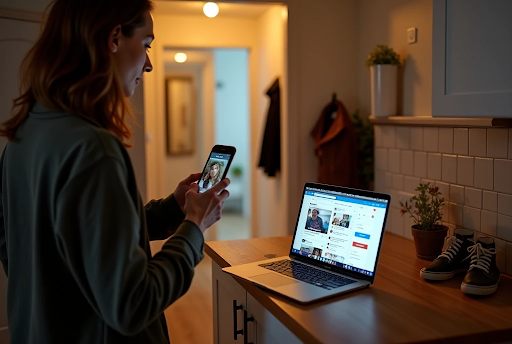
Building Safer Habits When Using Urban Social Platforms
Online safety depends not only on technology but also on everyday user behavior. Developing simple habits helps reduce risks and improves the overall experience when interacting with social platforms.
A few practical habits can make a significant difference:
- Review profiles carefully before starting conversations
- Limit the amount of personal information visible on public profiles
- Use secure passwords and update them regularly
- Pay attention to unusual behavior during online communication
- Trust your instincts if something feels suspicious
These small actions help users navigate online platforms more confidently. In fast paced urban environments where digital communication plays a central role, maintaining awareness and caution ensures that online interactions remain safe and positive.
Urban social platforms continue to grow as an important part of modern city life. When users combine technological safeguards with responsible online behavior, these platforms can remain useful tools for connecting people while maintaining a secure environment.